You sold the device.
Now what?
One organized portal per customer. Every protocol, video, and update in one place. Adoption you can see — and support before the call.
Here's what's broken. Here's what you need.
Three things every clinical team fights post-sale — and the system that solves all three.
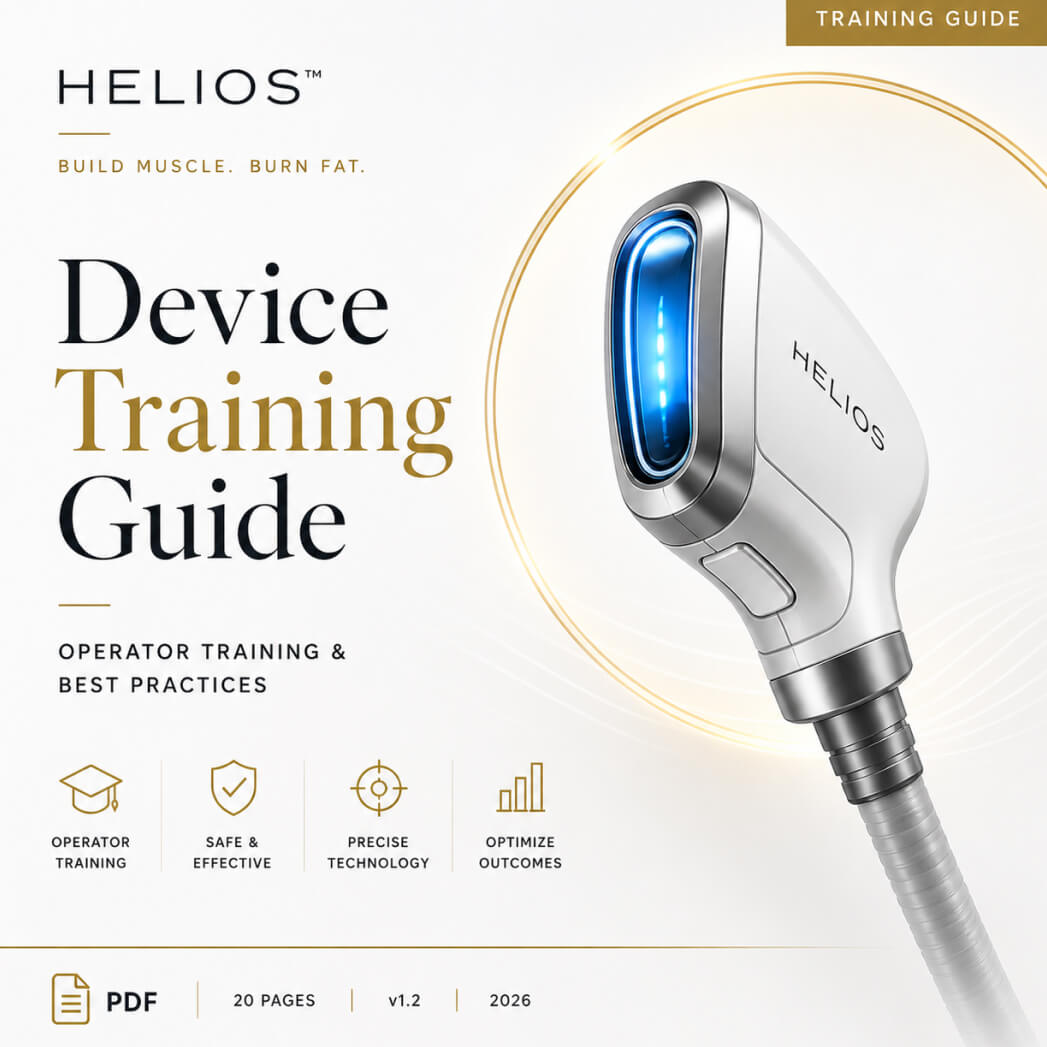
Training lives in chaos.
Protocols in email. Videos in Dropbox. Patient education in some forgotten Drive folder. Customers can't find the materials they need — so they call you, or worse, give up. You're constantly resending the same files to the same practices.
One portal. One link.
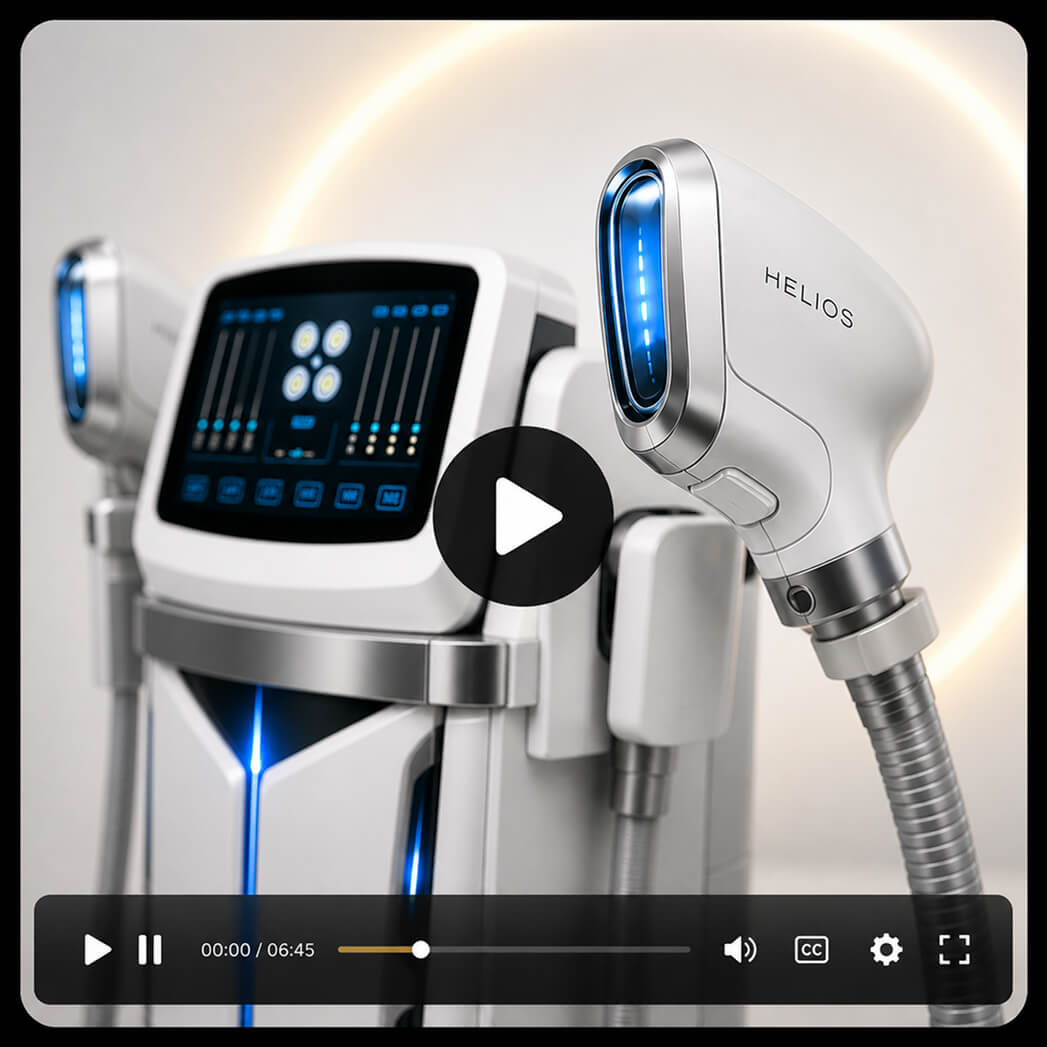
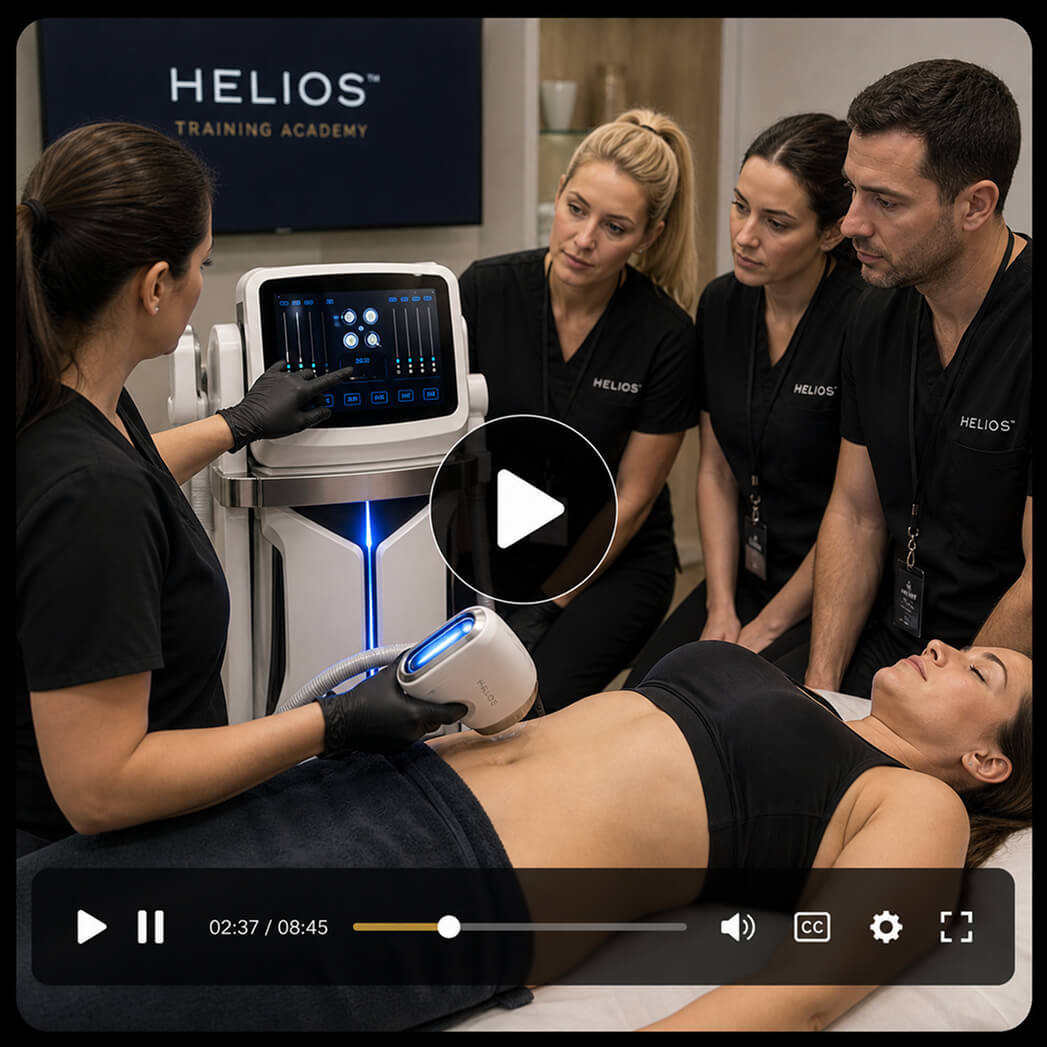
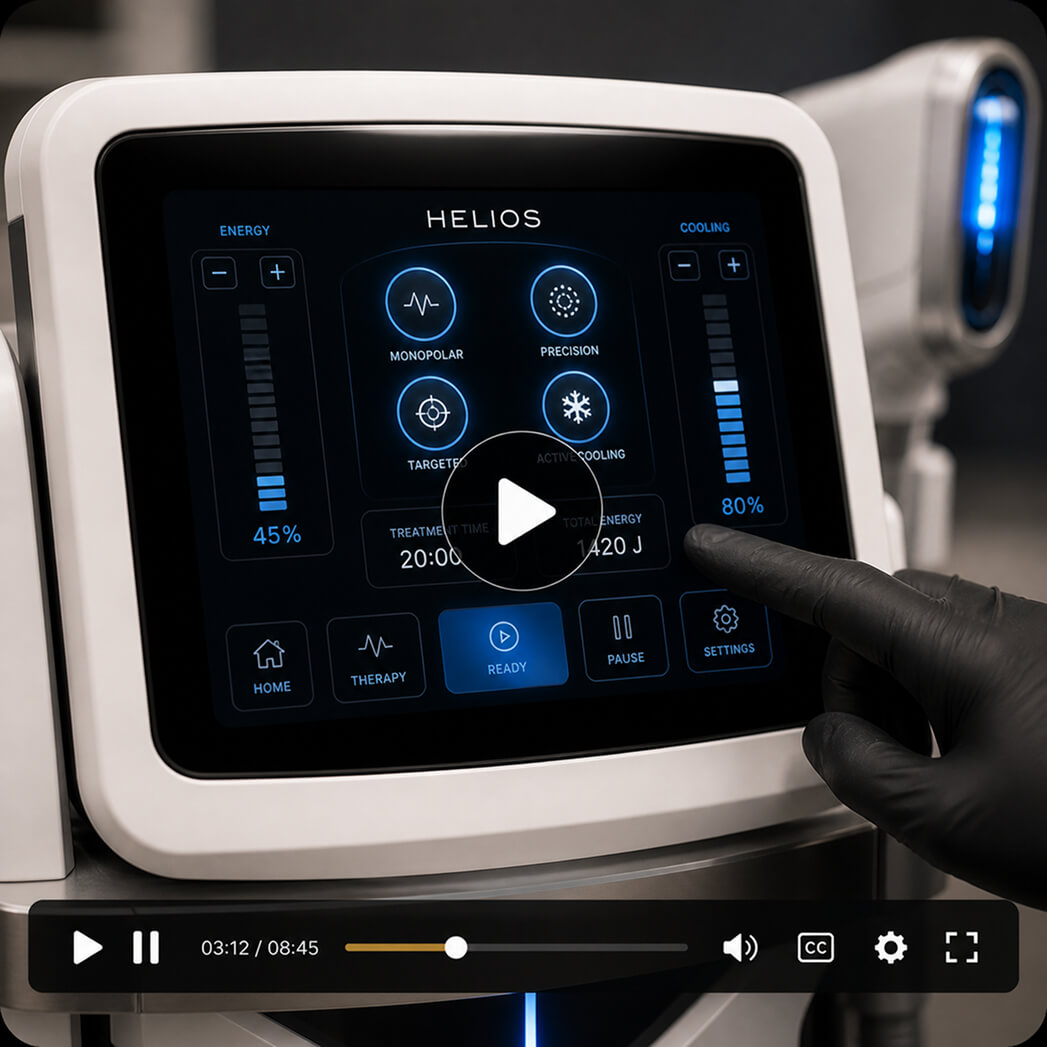
Each customer gets a branded portal with everything they need — protocols, training videos, patient materials, updates. They log in once and find it forever. You stop being a human file server and start being a clinical partner.
Support is reactive.
You hear from customers when they're already frustrated. By then, adoption is failing, the device is sitting in a drawer, and the relationship is at risk. You're firefighting instead of building — and renewals are paying the price.
See trouble early.
Engagement signals tell you which practices are adopting and which have gone quiet. A customer who hasn't logged into the portal in six weeks? That's a flag. Reach out before the frustration call. Save the relationship before it slips.
Updates never stick.
You update a clinical protocol, send a mass email, and hope every practice reads it. Some do. Most don't. Old PDFs stay in inboxes. Practices keep using last year's technique. The risk lives quietly until something goes wrong.
Updates everywhere, instantly.
Update content once and it pushes to every customer portal that needs it. No mass emails. No version confusion. No wondering who has the latest. The newest protocol is the only protocol — across every practice, every device, every time.
What clinical teams are up against.
of medical device customers struggle to find training materials when they need them.
more expensive to acquire a new customer than retain an existing one.
of MedTech companies cite post-sale customer training as their biggest challenge.
Each engine, through a clinical lens.
The same three engines power the platform — here's what each one does for the team that owns customer success.



Real MedTech. Real results.
Nuvue enables us to deliver consistent, fresh, and timely content to our sales force. It gives our team the ability to control the marketing and sales story (and our brand), while also making the pitching process easier for our reps and saving them valuable time. The digital platform makes collaboration effortless, and it makes it easy to quickly update or refresh content to respond to market needs.

The days of leaving brochures behind and hoping they land in the right hands are over. With Nuvue, our reps deliver digital, mobile-responsive one-sheets enriched with dynamic content, testimonials, and built-in ROI tools—while giving us real-time visibility into when and how prospects engage. This insight allows us to be far more strategic and intentional with our follow-up, accelerating the path to close.

Working with Nuvue has transformed how our team operates in the field. They’ve given us a centralized, intuitive way to deliver our message with clarity and confidence. The result has been faster ramp-up for new hires, stronger alignment across the organization, and the assurance that every conversation with customers reflects our brand at its best. It’s become a critical part of how we support our sales team and scale effectively.












End the chaos. See how MedTech sells.
A 30-minute walkthrough, tailored to your product and your sales cycle.